
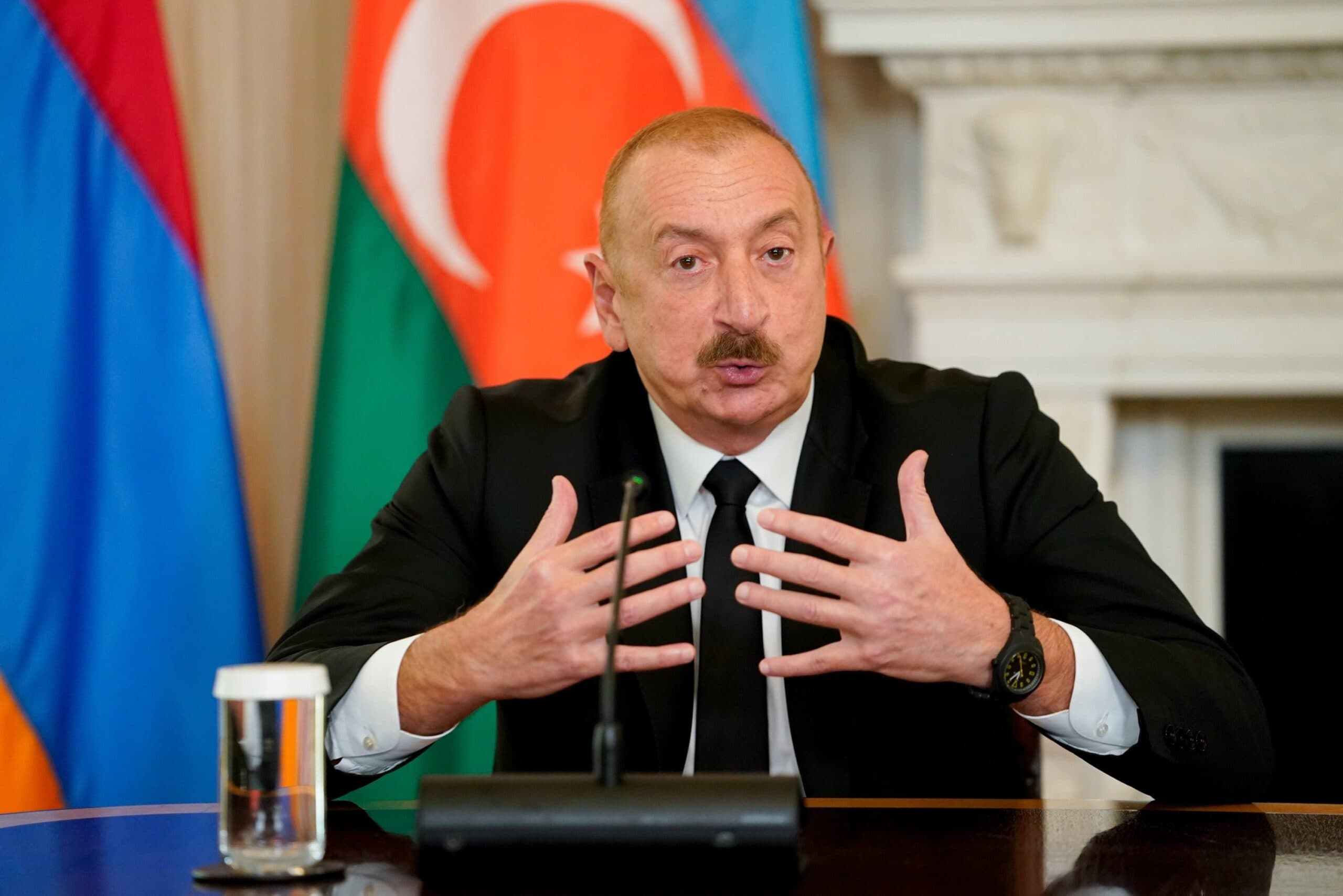
Turkey is seeking to contain a growing dispute with Azerbaijan over criticism of school headscarf restrictions, as reports of demands from Baku and uncertainty over President Ilham Aliyev’s attendance at an upcoming regional summit put the relationship under pressure.
Azerbaijan’s decision to bar 31 Turkish nationals from entering the country on Wednesday expanded the dispute beyond the seven Turkish citizens facing arrest in absentia over alleged calls to overthrow the Azerbaijani government. The entry ban list includes opposition politicians, media figures and religious writers, with Azerbaijani officials accusing those named of making statements that threaten the country’s sovereignty and national security.
The dispute began after Azerbaijan amended its school uniform rules on September 21 to prohibit clothing considered incompatible with prescribed uniforms or secular education. Although the rules do not explicitly mention headscarves, reports that girls wearing them were turned away from classrooms prompted protests and criticism from Turkish politicians.
On October 12 Oktay Saral, a chief adviser to Turkish President Recep Tayyip Erdoğan, called the restrictions unacceptable and urged Azerbaijan to reverse them. Members of Erdoğan’s ruling Justice and Development Party (AKP) also criticized the policy. The following day, Azerbaijan’s ruling New Azerbaijan Party (YAP) accused Saral and AKP lawmakers of making “populist and irresponsible” statements and interfering in the country’s domestic affairs.
A Middle East Eye report published October 19, citing three officials and a source familiar with the matter, said Baku had asked Ankara to dismiss Saral, prosecute social media commentators who had insulted Aliyev and block accounts identified by Azerbaijani officials. Turkey blocked some of the accounts but had taken no further action.
Azerbaijani media outlets close to the government subsequently accused Turkish Foreign Minister Hakan Fidan of encouraging unrest against Aliyev following Fidan’s visit to Baku. The Turkish Embassy rejected the allegations, denying that Fidan had held secret meetings or issued instructions to interfere in Azerbaijan’s domestic affairs. Azerbaijani news outlet Qafqazinfo removed passages targeting Fidan after the embassy’s denial. Azerbaijan’s Press Council also criticized some Turkish media coverage, accusing outlets of exceeding the bounds of press freedom.