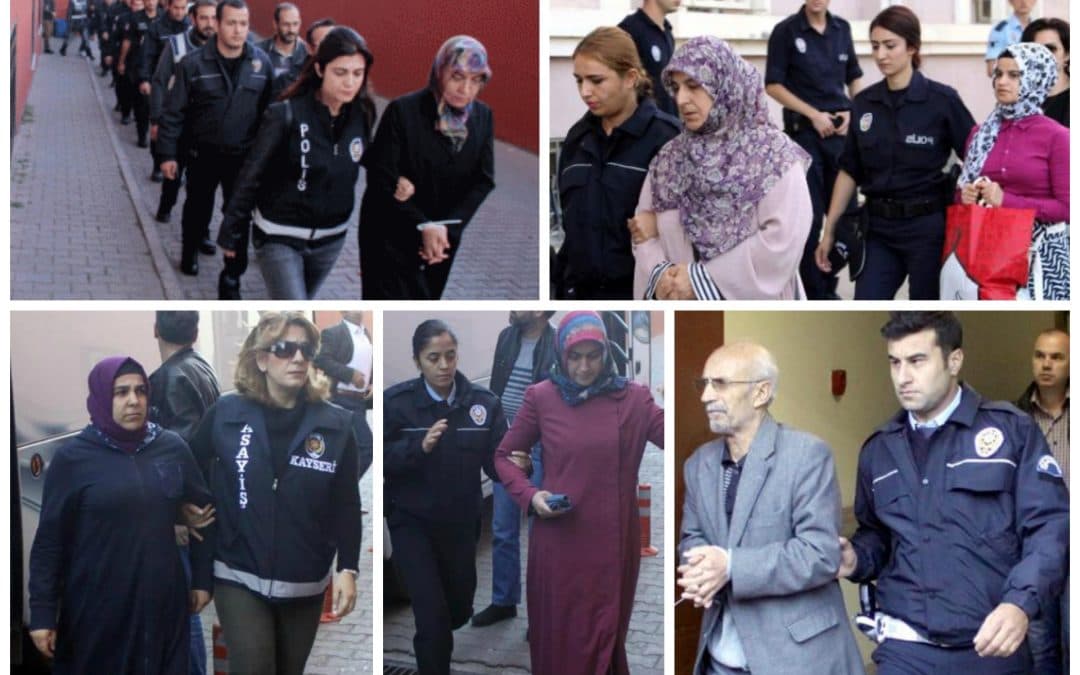
Yerlikaya said the detainees included suspects who were involved in the movement’s alleged infiltration of the police and the judiciary as well as people who were determined to have used the ByLock messaging application and were accused of having secretly communicated with their contacts within the movement via pay phones or individuals whose sentences over Gülen links were upheld by the Supreme Court of Appeals and were at large.
ByLock, once widely available online, has been considered a secret tool of communication among supporters of the Gülen movement, a faith-based group outlawed by Ankara, since a coup attempt on July 15, 2016, despite the lack of any evidence that ByLock messages were related to the abortive putsch.
The so-called “pay phone investigations” are based on call records. The prosecutors assume that a member of the Gülen movement used the same pay phone to call all his contacts consecutively. Based on that assumption, when an alleged member of the movement is found in call records, it is assumed that other numbers called right before or after that call also belong to people with Gülen links.
The minister also said that “large amounts of foreign currency and Turkish lira” as well as a number of digital materials and documents were confiscated in raids conducted in the provinces of Ankara, Antalya, Aydın, Balıkesir, Bursa, Bitlis, Denizli, Edirne, Gaziantep, Giresun, İstanbul, İzmir, Kayseri, Kütahya, Malatya, Şanlıurfa and Tekirdağ.
The Gülen movement, inspired by Turkish cleric Fethullah Gülen, is accused by the Turkish government and President Recep Tayyip Erdoğan of masterminding the failed coup and is labeled a “terrorist organization,” although the movement denies involvement in the coup attempt or any terrorist activity.