THREE MEDALS, TWO GENERATIONS, ONE PROUD LEGACY AT NSW PARLIAMENT
Zaman Australia26 October 20262 hrs ago5 min read
Share
Font Size
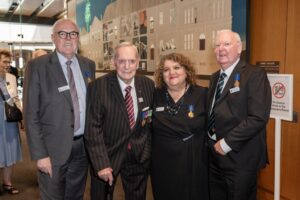
Monday 19 October 2026 was a particularly memorable and emotional day for me. It marked my first formal engagement as Zia Ahmad OAM, attending the 2026 New Recipients Welcome Reception hosted by the Order of Australia Association NSW Branch at the historic Parliament House in Sydney.
Having received the Medal of the Order of Australia in the King’s Birthday Honours in June 2026 for service tojournalism and the Muslim community, I felt privileged to join fellow Australians whose contributions to society hadbeen formally recognised.
But what made the occasion especially meaningful was that, in a sense, I was carrying two generations of service and recognition with me.
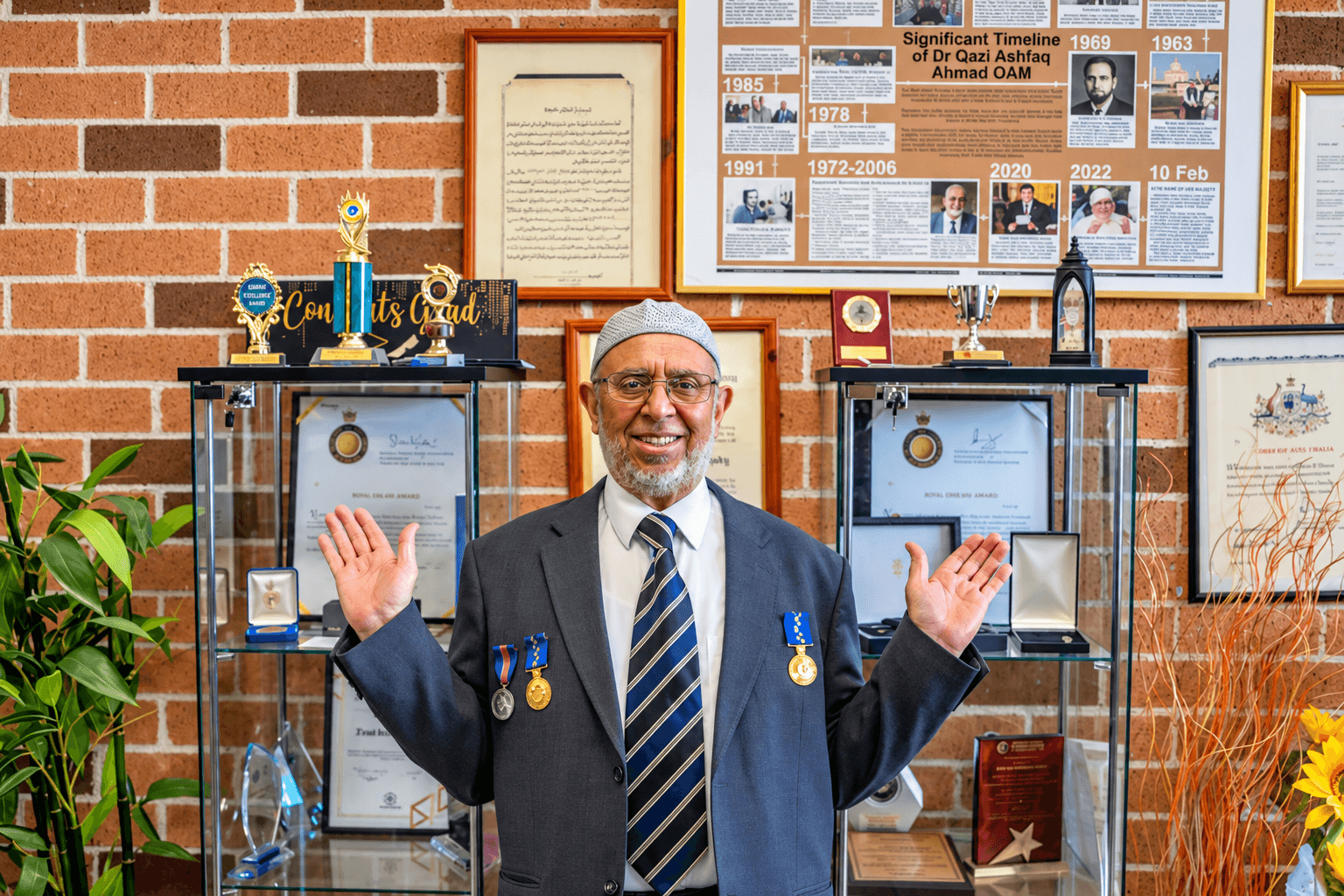
On the left side of my chest, I proudly wore my own OAM medal. On the right, I wore the two medals of my late father, Dr Qazi Ashfaq Ahmad OAM, his Medal of the Order of Australia and Centenary Medal, in accordance with the convention for wearing the decorations of deceased relatives.
My father devoted much of his life to community service, and his example profoundly influenced my own journey. Wearing his medals alongside mine was both a tribute to his legacy and a reminder that service to humanity transcends generations.
It was a moment of gratitude, humility and remembrance.
Celebrating Australians who serve
The reception, held in the Strangers Dining Room at NSW Parliament House, brought together newly recognised recipients from diverse professional, cultural and community backgrounds.
The parliamentary host was Nathan Hagarty MP, Member for Leppington and Government Whip, while Martha Jabour OAM, Deputy Chair of the Order of Australia Association NSW Branch, conducted the proceedings as Master of Ceremonies.
Dr John Gullotta AM, Chair of the NSW Branch, welcomed guests and acknowledged the extraordinary voluntary and professional contributions made by award recipients throughout Australia.
He also recognised the indispensable support of families and partners, whose sacrifices often remain unseen behind the achievements being celebrated.
Dr Gullotta spoke about delays in the national honours nomination process, which had reportedly stretched to nearly four years because of resourcing constraints.
He expressed optimism that reforms initiated by the Governor-General would reduce the backlog and restore processing times to approximately 12–18 months.
Gary Smith AM, proposing a toast to the new recipients, beautifully captured the spirit of the occasion:
“Today we honor Australians who have demonstrated that the true measure of service is not what wereceive but what we give to others.”
He reminded recipients that recognition was not simply a reward for past achievements, but an encouragement tocontinue serving.
This message particularly resonated with me. An OAM is not a retirement certificate from community service. Rather, it brings an additional responsibility to contribute, inspire and help others.
From RedBalloon to the responsibilities of recognition
One of the highlights was hearing from Naomi Simson OAM, founder of RedBalloon and well-known Shark Tank investor, who spoke on behalf of the newly recognised recipients.
She humorously recalled almost missing her award notification because the email had landed in her spam folder. When she subsequently received a text message, she initially suspected that too was spam!
Beyond the humour, her reflections carried a powerful message about leadership, trust and the growing influence of artificial intelligence.
Recalling advice she had received about continuing to speak and write rather than allowing AI to dominate public discourse, she observed:
Support Independent Journalism
Zaman Australia produces news without being affiliated with any institution or organisation. You can support us through Patreon to keep this journalism going.
“That is the job for all of us in this room. People look to us. They trust us.”
As someone who has spent decades in higher education, journalism, community communication and public engagement, I found her observations particularly relevant.”
Technology is transforming how we communicate, but human credibility, compassion, integrity and trust remain irreplaceable.
A thoughtful gesture of halal hospitality
Amid the formal speeches and celebrations, one small incident left a particularly lasting impression on me.
During lunch and group photography dessert had already been served when the catering supervisor approached and replaced mine. The supervisor explained that the other desserts contained gelatine and that a specially prepared halal dessert had been provided for me.I had not needed to raise the issue myself. It was a simple but deeply appreciated act of thoughtfulness. This was multicultural Australia at its practical best — respecting religious dietary requirements through quiet consideration and professional duty of care.
Such gestures may appear small, but they make people from diverse backgrounds feel genuinely welcome, respected and included.
At a time when we frequently debate multiculturalism, diversity and social cohesion, this experience reminded me that inclusion is demonstrated not only through speeches and policies, but through everyday actions.
Conversations across generations and professions
Equally enjoyable were the informal conversations over lunch with fellow recipients and guests.
I met Australians whose contributions spanned pharmacy education, architecture, heritage conservation, technology and community service.
Our discussions ranged from the early days of computing in the 1970’s to the distinctive Brutalist architecture of UTS Tower building and the Biochemistry Building at the University of Sydney.
These conversations highlighted the extraordinary range of experiences and expertise represented among Order of Australia recipients.
People from very different walks of life had come together through a shared commitment to contributing something meaningful to Australian society.
The formal proceedings concluded with the Loyal Toast to King Charles III, Sovereign Head of the Order of Australia, proposed by Dianne North OAM.
An honour, a responsibility and a family legacy
As I reflected on the afternoon, I thought again of my late father and the values he instilled in our family.
Arriving in Australia from India in 1971 as a young man of 18, I could scarcely have imagined that, more than five decades later, I would be standing at NSW Parliament House wearing my own OAM medal alongside my father’s two decorations.
My journey through science, education, journalism and community service has been shaped by countless individuals, colleagues, volunteers and family members.
Through AMUST, we have sought to inform, connect and empower communities, promote understanding and providea platform for voices that are too often overlooked.
Recognition through the Order of Australia is therefore not simply a personal achievement. It also reflects the collective efforts of those who have worked alongside me over the years.
For me, wearing three medals that day was not merely about celebrating recognition.
It was about honouring my father’s legacy, appreciating Australia’s recognition of community service, and renewing my commitment to continue serving the wider Australian community.AMUST