Bünyamin Tekin
Six years have passed since July 15, 2016, the day a controversial coup attempt took place in Turkey, but what we don’t know about that day is still more than what we do know, according to Adem Yavuz Arslan, a Turkish journalist living in exile and working for the TR724 news website, who spoke to Turkish Minute on the anniversary of the abortive putsch.
Turkey experienced a military coup attempt on the night of July 15, 2016 which, according to many, was a false flag aimed at entrenching the authoritarian rule of President Recep Tayyip Erdoğan by rooting out dissidents and eliminating powerful actors such as the military in his desire for absolute power.
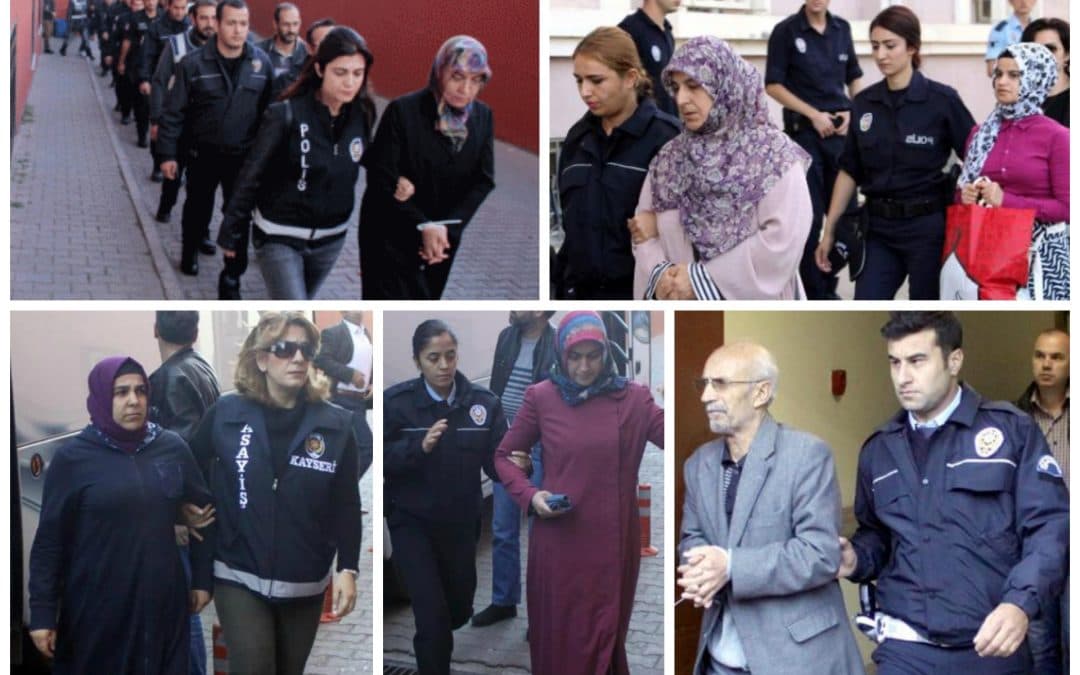
The failed coup killed 251 people and wounded more than a thousand others. The next morning, after announcing the coup had been put down, the Turkish government immediately started a wide-ranging purge of military officers, judges, police officers, teachers and other civil servants that ultimately led to the dismissal of more than 130,000 from their jobs.
On the night of the abortive putsch, President Erdoğan immediately blamed the Gülen movement for the attempt. He has been targeting followers of the movement, a faith-based group inspired by Turkish cleric Fethullah Gülen, since the corruption investigations of December 17-25, 2013, which implicated then-prime minister Erdoğan, his family members and his inner circle.
Dismissing the investigations as a Gülenist coup and conspiracy against his government, Erdoğan designated the movement as a terrorist organization and began to target its members. He locked up thousands including many prosecutors, judges and police officers involved in the investigation as well as journalists who reported on them.
Erdoğan intensified the crackdown on the movement following the coup attempt. Gülen and the movement strongly deny involvement in the abortive putsch or any terrorist activity.
“The way to find out what really happened that night was through parliamentary committees and the courts,” Arslan said, adding that those institutions could not function due to the obstruction by Erdoğan and his government.
A parliamentary inquiry committee abruptly suspended its work on a report about the coup attempt in 2017, when Erdoğan expressed his disapproval of the deepening investigations.
In July 2021 Selçuk Özdağ, the then-vice chair of the committee, said Turkish authorities had refrained from publishing the findings of the inquiry, following legal advice warning that the report could help members of the Gülen movement in future legal claims for compensation.
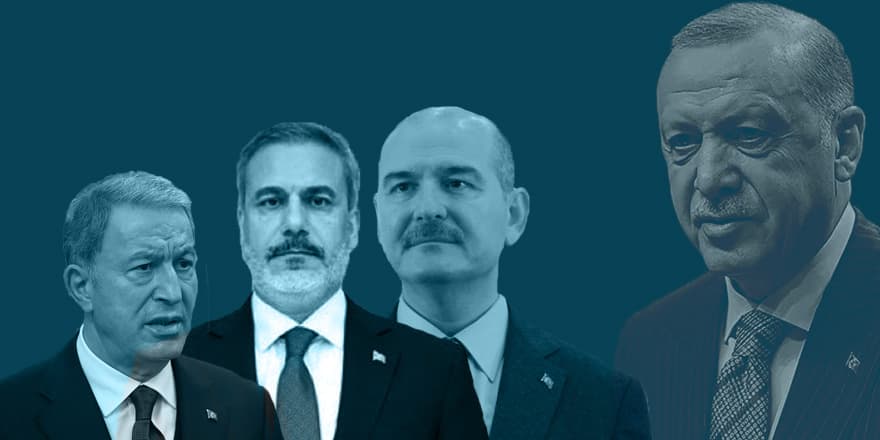
“Then-Chief of General Staff Hulusi Akar and the head of intelligence, Hakan Fidan, never testified to the committee to shed more light on what happened that night,” Arslan said.
Akar and National Intelligence Organization (MİT) chief Fidan did not appear before the parliamentary committee and did not testify in court during the coup trials.
Despite the apparent failure of the Turkish intelligence authorities to gather intel about the coup plans, no intelligence official has resigned or been fired by the government. Likewise, Akar was not fired and became defense minister after retiring.
Many questions still persist as to what happened before and after the coup attempt.
Major O.K. said in his testimony to a court that he personally went and informed MİT at 14:30, about seven hours before the coup attempt started.
Why MİT chief Fidan informed neither President Erdoğan nor then-Prime Minister Binali Yıldırım during those seven hours, despite the fact that he had learned of the coup attempt at 14:30, is one of the questions still being asked.
It was also revealed in 2017 that Chief of General Staff Gen. Akar and MİT chief Fidan had a six-hour meeting in Ankara a day before the failed coup.
“Instead of finding out what happened on July 15th, every political party was more interested in how to profit politically from this event,” Arslan said.
“The government [Justice and Development Party, AKP] changed the [system of governance] under the pretext of an anti-coup fight. The MHP [Nationalist Movement Party] became a partner in the government and filled key government jobs. The CHP [Republican People’s Party] and the İYİ [Good] Party, instead of investigating the coup and finding out what really happened, have sought to score political points,” he added.
“Due to the intense pressure on the press, journalists were unable to follow and report on the coup trials,” Arslan said.
Turkey, which is known as one of the top jailers of journalists in the world, was ranked 149th among 180 countries in the Reporters Without Borders (RSF) 2022 World Press Freedom Index.
“Journalists questioning the official narrative were imprisoned. As a result, six years have passed and we still don’t know what really happened,” said Arslan.