
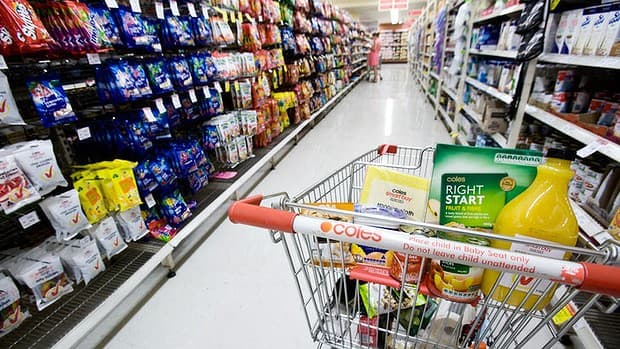
Every single thing you buy is at risk of becoming more expensive.
From toilet paper to pet food, mayonnaise to butter, a blowout in global commodity prices along with a severe container shortage and dramatically rising freight costs are putting suppliers under unprecedented pressure.
The cost of tin in Australian dollars per metric ton rose 93 per cent between September last year and August this year.
That means every canned good from tuna to cat and dog food is costing suppliers a small fortune.
NextGen partner Neil Rechlin says suppliers have been making efficiencies to absorb the added costs but the price pressures are now too much.
“In the 30 years I’ve been in the grocery industry I’ve never seen these kinds of pressures coming through for suppliers,” he told 9News.
“Suppliers have done a good job over the last 10 years of improving efficiency, of absorbing some of these cost movements… but when you’re seeing increases of 20 to 30 per cent of the ingredients to make these products, there’s no way suppliers can soak that up.
“We’re certainly going to see those costs getting passed on through the retailers and ultimately unfortunately to shoppers’ baskets.”
The cost of shipping a 40-foot container has skyrocketed by almost 400 per cent since last year, according to the Drewry World Container Index.
At the same time, reliability has plunged.
A global shortage of containers has driven up the cost along with higher landing fees, labour shortages and the increased volume of goods shipped this year amid the COVID-19 pandemic.
Sorbent Paper Co, which produces Sorbent toiler paper, facial tissues, Handee paper towel and Deeko napkins and tableware locally, brings in its pulp from overseas.
The cost of pulp, which is the base for paper, rose 40 per cent just in the first quarter this year and again spiked in July.
Factors contributing to the costs include high demand for fibre-based packaging due to environmental concerns, high demand from the building industry and the consolidation of global pulp producers.
But Angela Thorpe from Sorbent said increased pulp prices aren’t as worrying as the price of freight.