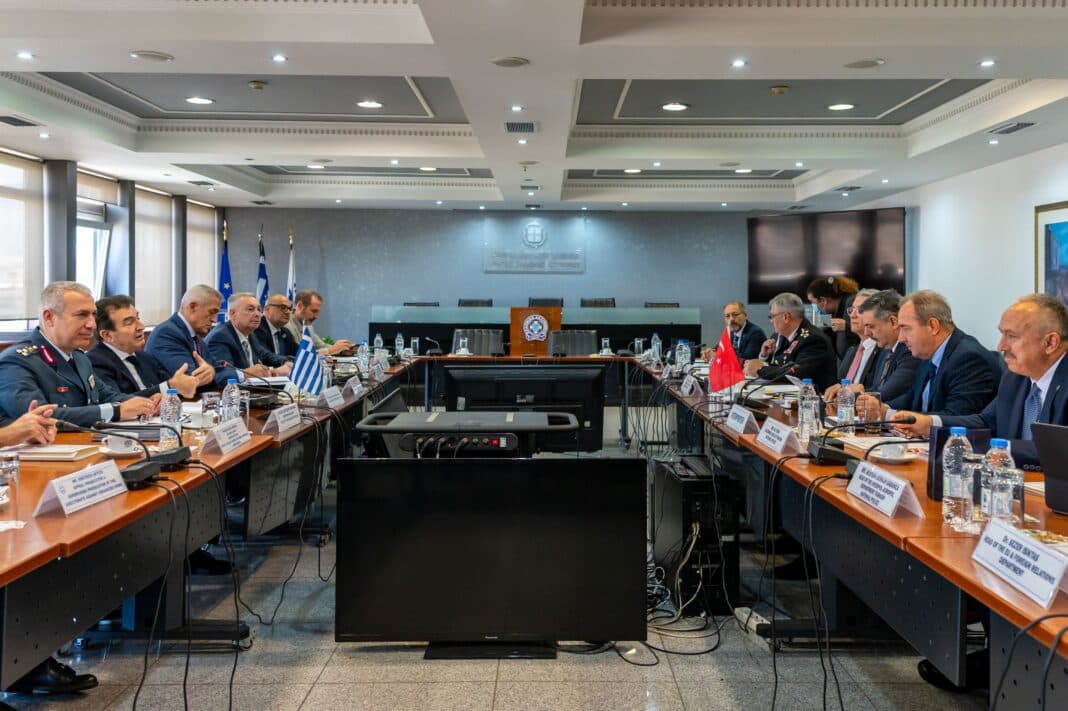
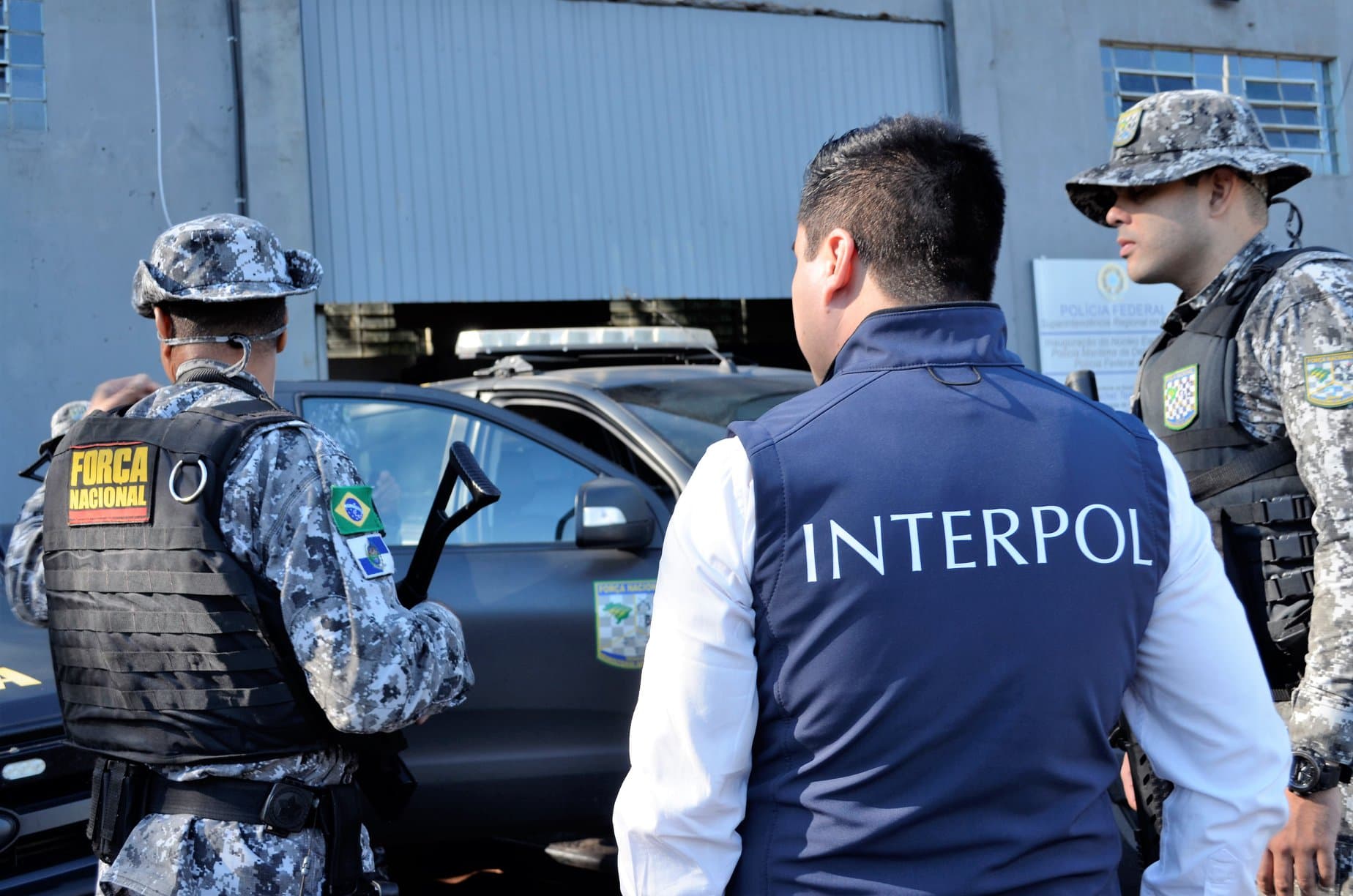
Human rights groups and Western lawmakers are warning that Interpol’s powerful network of global police officers could end up under the sway of authoritarian governments, as the world police agency meets in İstanbul this week to elect new leadership, the Stockholm Center for Freedom reported on Monday, citing The Associated Press.
Representatives of countries like China and the United Arab Emirates are bidding for top posts in the French-based policing body when its general assembly convenes in Turkey on Tuesday.
Interpol says it refuses to be used for political ends. Critics contend that if these candidates win, instead of hunting down drug smugglers, human traffickers, war crimes suspects and alleged extremists, their countries would use Interpol’s global reach to apprehend exiled dissidents and even political opponents at home.
According to Barbara Surk’s story, two candidates have drawn special criticism: Maj. Gen. Ahmed Naser al-Raisi, inspector general at the UAE’s interior ministry, who is seeking to be elected Interpol’s president for a four-year term; and Hu Binchen, an official at China’s ministry of public security, expected to be up for a vacant spot on Interpol’s executive committee.
A vote is expected Thursday. Interpol’s president and executive committee set policy and direction. They also supervise the body’s secretary-general, who handles the day-to-day operations and is its public face. That post is filled by German official Juergen Stock.
Al-Raisi is accused of torture and has criminal complaints against him in five countries, including in France, where Interpol has its headquarters, and in Turkey, where the election is taking place.
And Hu is backed by China’s government, which is suspected to have used the global police agency to hunt down exiled dissidents and of disappearing its citizens.
Appointing Hu could be fraught with peril — including, possibly, for himself. Meng Hongwei of China was elected Interpol president in 2016, only to vanish on a return trip to China two years later. He is now serving a thirteen-and-a-half-year jail sentence for corruption, charges that his wife Grace Meng, now living in France with her children under police protection, insisted in an interview with The Associated Press were trumped up and politically motivated.
Al-Raisi, already a member of Interpol’s executive committee, contended in a LinkedIn post Saturday that the UAE prioritizes “the protection of human rights at home and abroad.”
But a recent report by the MENA Rights Group describes routine rights violations by the UAE security system, in which lawyers, journalists and activists have been forcibly disappeared, tortured, arbitrarily detained and intimidated for peacefully asking for basic rights and freedoms.
Matthew Hedges, a British doctoral student who was imprisoned in the UAE for nearly seven months in 2018 on spying charges, visibly struggled at a news conference in Paris as he described torture and months of being held in solitary confinement with no access to a lawyer.
“I was given a cocktail of medication … to alter my mental state,” Hedges said. “I am still dependent on most of this medication now. I would hear screams coming from other rooms, and there was evidence on the floor of torture, physical torture, beatings.”
Hedges was pardoned by UAE President Sheikh Khalifa bin Zayed Al Nahyan, but Emirati officials still insist Hedges was spying for Britain’s MI6 intelligence agency, without offering definitive proof to support their claims. He, his family and British diplomats have repeatedly denied the charges.
“There is no way that a country’s police force that is willing to do this to foreign citizens, let alone their own, should be given the honor of holding one of the highest positions at Interpol,” Hedges said.