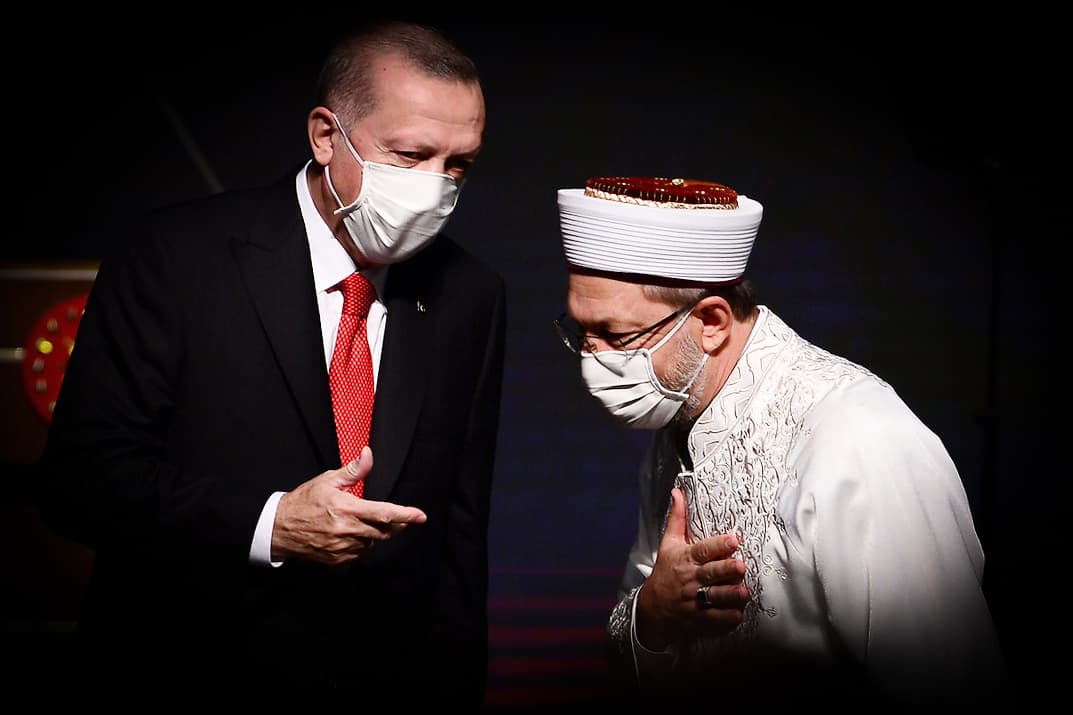
Turkey’s Directorate of Religious Affairs (Diyanet) prepared two different texts to be read for this week’s Friday sermons that will be delivered in Turkey and abroad on the sixth anniversary of an attempted coup in Turkey, local media reported on Thursday.
The sermon to be delivered in Turkey included such insults as “the network of treason” and “evil group” aimed at the Gülen movement, accused by the government of masterminding the abortive putsch, while the one prepared for the Netherlands included no such insults, with only the word “munafiq” being used to describe the movement’s members, according to Turkish media reports.
“Munafiq” refers to religious hypocrites who profess to believe in Islam but actually don’t.
The sermon for Muslims in Turkey also repeated the government narrative about the coup attempt, holding the Gülen movement responsible for the failed putsch and including the acronym FETÖ, a derogatory term used by the Justice and Development Party (AKP) government to refer to the Gülen movement as a terrorist organization.
The Gülen movement is a worldwide civic initiative rooted in the spiritual and humanistic tradition of Islam. The bases of the movement are diverse service projects that are initiated, funded and conducted by people who are motivated by the humanitarian discourse of Fethullah Gülen, a Turkish cleric resident in the US.
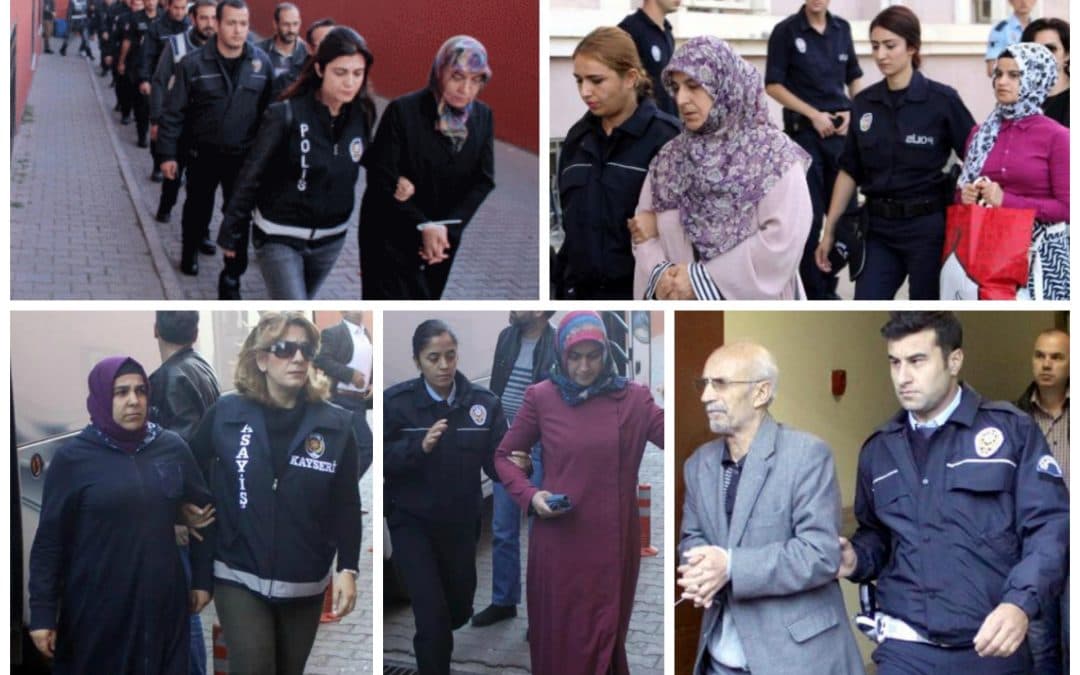
Immediately after the coup attempt, which claimed the lives of 251 people, injured a thousand others and was suppressed overnight, Turkish President Recep Tayyip Erdoğan and his AKP government pinned the blame on the Gülen movement, labeling the group as a terrorist organization.
Gülen and the movement strongly deny involvement in the abortive putsch or any terrorist activity.
According to local media reports, the directorate refrained from using the same words it used to describe members of the movement in the text prepared for Turkey in other countries’ sermons as well as from referring to the movement as “FETÖ,” fearing it could have legal consequences in European countries where laws impose heavy penalties for hate crimes and discrimination.
While many criticized the Diyanet’s move on social media for being “hypocritical,” hadith expert Prof. Dr. Ayhan Tekineş stated that while the AKP government was afraid of the law and therefore wouldn’t use insulting expressions in a sermon to be read in European countries, they weren’t afraid of the eternal punishment of unjustly calling members of a faith-based group “munafiq.”